

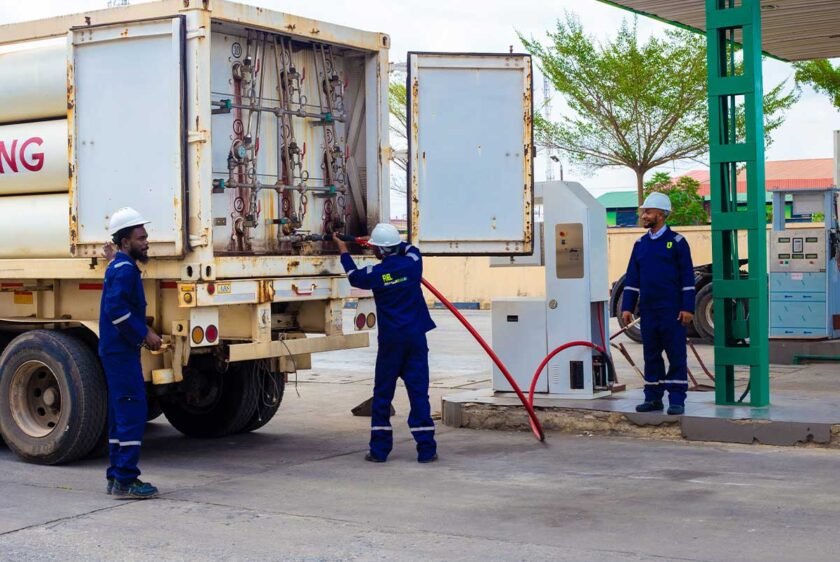
Fuel supply is the lifeblood of Nigeria’s economy, powering vehicles, generators, buses, and small-scale industries across a nation of more than 200 million people. Yet despite being Africa’s largest oil producer, Nigeria has battled recurring fuel supply challenges for decades: long queues at filling stations, sharp price swings, and shortages that ripple through every sector.
The 2023 Nigerian fuel crisis, triggered by the removal of the long-standing subsidy, exposed the structural cracks in our fuel-supply ecosystem more starkly than ever. Pump prices for petrol leapt from roughly ₦238 to over ₦620 per litre almost overnight, squeezing households, transport operators, and businesses in equal measure.
At the same time, CNG in Nigeria is gaining serious momentum as a cleaner, cheaper, and more stable alternative fuel solution. For logistics companies, transport fleets, and digital fuel-delivery platforms like FuelBuddy, understanding these dynamics isn’t optional; it’s the foundation of any smart, future-proof fuel strategy.
Dependence on Imported Fuel and Subsidy-Driven Pricing
Nigeria imports a large share of its refined petrol, even though it sits on vast crude oil reserves. This structural weakness leaves the market perpetually exposed to global price swings, shipping delays, and foreign-exchange pressure, all of which have triggered periodic shortages since 2022.
The old subsidy model kept pump prices artificially low, but it also created a heavy fiscal burden on the federal budget and discouraged private investment in local refineries and storage. When the government removed the subsidy in 2023, the Nigeria fuel crisis 2023 became impossible to ignore, and the search for alternative fuel solutions in Nigeria intensified sharply. The cost of inaction was suddenly visible to everyone.
Weak Refining and Storage Infrastructure
Nigeria’s domestic refineries have long operated well below capacity, forcing marketers to rely on imported fuel and third-party blending terminals for much of the country’s supply. This weak refining base means that even minor disruptions, such as a delayed vessel or a maintenance shutdown, can translate into empty pumps within days.
Storage and metering infrastructure are similarly underdeveloped, slowing the movement of fuel from ports to depots and from depots to retail stations. Combined with pipeline vandalism and persistent security challenges: these fuel delivery challenges in Nigeria create a fragile, stop-start supply system that makes operational cost planning nearly impossible for businesses and transport operators across the country.
Distribution and Logistics Bottlenecks
Getting fuel from depots to filling stations depends on a complex web of tankers, road infrastructure, and coordination between the NNPC, government agencies, and independent marketers. When any link in this chain falters, whether due to tanker shortages, road congestion, or administrative delays, supply can dry up in Lagos, Abuja, or Port Harcourt within hours.
These fuel delivery challenges in Nigeria ripple outward to secondary cities and rural communities, raising the cost and risk of last-mile fuel distribution. For digital platforms like FuelBuddy, navigating this reality means designing routes, vehicles, and supply partnerships that can adapt quickly to shifting conditions and keep customers fuelled even during the worst shortage windows.
Price Volatility and Affordability Pressures
Since the 2023 subsidy removal, Nigerians have faced sharper, more frequent swings in petrol, diesel, and jet-fuel prices. This volatility erodes household budgets, drives up transport fares, and pushes food and goods prices higher as logistics costs climb. For small businesses and transport operators, forecasting operating costs from one month to the next has become a genuine struggle.
The CNG vs petrol Nigeria conversation is largely driven by this pain point. Operators who have converted to CNG in Nigeria report dramatically more predictable monthly fuel bills, a meaningful competitive edge in an economy battered by inflation and currency pressure. When the pump price of petrol can change overnight, stability becomes its own form of savings.
Environmental and Energy-Security Concerns
Burning petrol and diesel in Lagos traffic or running diesel generators across Kano and Ibadan contributes to worsening urban air pollution and rising carbon emissions. As Nigeria works to align with global climate commitments, pressure is growing from regulators, investors, and consumers alike to shift toward cleaner, more sustainable energy options.
Beyond the environment, heavy reliance on imported refined products exposes the country to geopolitical and market risks that are entirely outside domestic control. Diversifying into homegrown resources, particularly natural gas, is one of the most credible paths to genuine energy security, reduced foreign-exchange pressure, and long-term industrial resilience. This is precisely where the case for compressed natural gas benefits becomes most compelling.
Why CNG Is Emerging as the Solution
Compressed natural gas is not a distant promise; it is an accelerating reality on Nigerian roads. Nigeria sits atop some of the world’s largest natural gas reserves, much of it historically flared or exported rather than put to domestic use. That is changing fast.
When it comes to CNG vs petrol in Nigeria, the comparison is increasingly straightforward. CNG-powered vehicles can cut fuel costs per kilometre by roughly 30 to 50 percent compared with petrol, making it an immediately attractive option for transport fleets and logistics companies facing relentless cost pressure. Beyond the savings, compressed natural gas benefits include significantly lower emissions, less particulate matter, less carbon monoxide, and fewer nitrogen oxides, making it a cleaner choice for buses and trucks operating in congested urban corridors.
On the supply side, CNG is produced domestically and priced far more predictably than imported petrol, insulating operators from the foreign-exchange shocks that make fuel supply challenges in Nigeria so difficult to plan around. The Presidential Initiative on CNG (PiCNG) has expanded vehicle-conversion centres from just 7 in 2023 to over 190 by 2025, with a national target of 500 centres. More than 175 CNG refueling stations are already operational or under active development, especially along major corridors around Lagos, Abuja, and Port Harcourt.
Private investment of more than $1 billion has been pledged to CNG in Nigeria, covering refueling stations, vehicle conversions, and skills-training programs, signaling that the market views this as a long-term structural shift, not a short-term patch. On-lending schemes and public-private partnerships are already helping thousands of bus and truck operators retrofit their fleets, creating a parallel fuel-supply backbone that is structurally less vulnerable to the shocks that defined the Nigerian fuel crisis of 2023.
Building a More Stable Fuel Future
Nigeria’s fuel supply challenges are rooted in import dependence, weak refining capacity, fragile distribution chains, price volatility, and environmental pressure. The 2023 subsidy removal exposed all of these weaknesses at once, but it also forced a serious, long-overdue conversation about alternative fuel solutions in Nigeria.
CNG is not a cure-all, but it is emerging as one of the most powerful tools available to stabilise Nigeria’s fuel supply while reducing costs and emissions simultaneously. For transport operators, logistics companies, and digital fuel-delivery platforms like FuelBuddy, positioning CNG as a core part of your fuel strategy is one of the clearest ways to hedge against petrol-price shocks and build a more resilient, cost-efficient operation.
As Nigeria continues to expand its CNG network, refine its regulations, and incentivise fleet conversions, the future of fuel supply looks increasingly diversified and more sustainable. FuelBuddy is here to help Nigerian businesses and households navigate today’s challenges while building toward that cleaner, more stable energy future.